I pack suitcases every week for trips to Tanzania. Sometimes they are my own bags, sometimes I help guests just before departure. And every time I see the same mistakes: too much, too heavy, wrong colour.
Here is what you really need.
Clothing: earth tones, no white
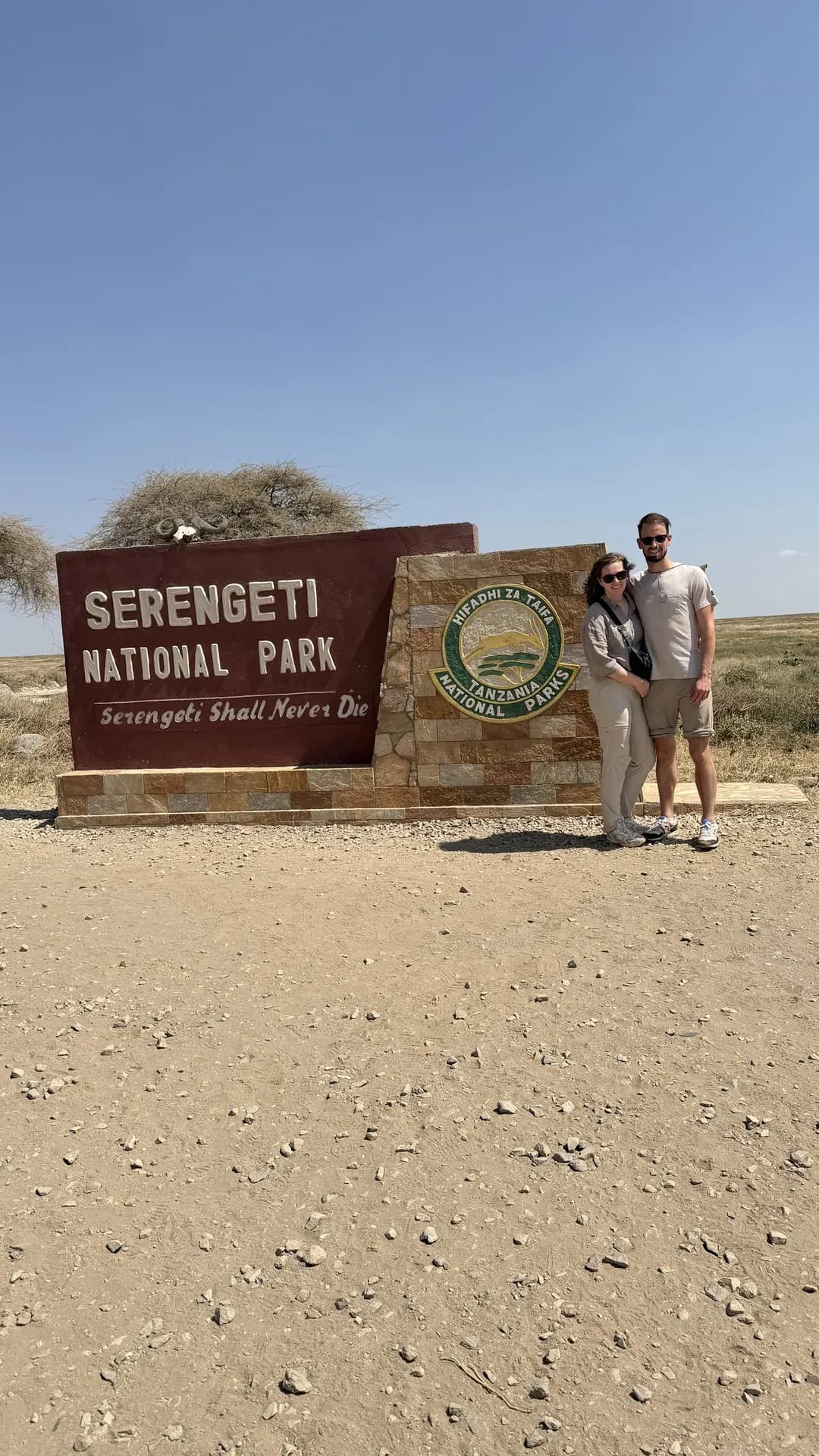
Khaki, green, brown, beige. Those are your colours. Not white (dust), not black (heat) and absolutely no bright blue or orange — that scares animals away. You don't need to buy special safari clothing. An ordinary khaki trouser and beige shirt works fine.
What you definitely need: long trousers and long sleeves for evenings (mosquitoes), a fleece or light jacket for mornings (it can be 10°C in the crater), walking shoes or light boots, flip flops for the lodge.
Luggage: soft and not too large
Take a soft duffel bag or flexible travel bag. One bag for the safari, one smaller bag for Zanzibar if you're combining that.
Internal flights in Tanzania have a baggage limit of 15 kg per person — including hand luggage. Hard suitcases don't fit in the cargo hold of small aircraft. This is strictly enforced at Arusha airport.
Pro tip: vacuum bags for clothing. You pack twice as much in your bag and the clothes stay clean.
Binoculars: not optional
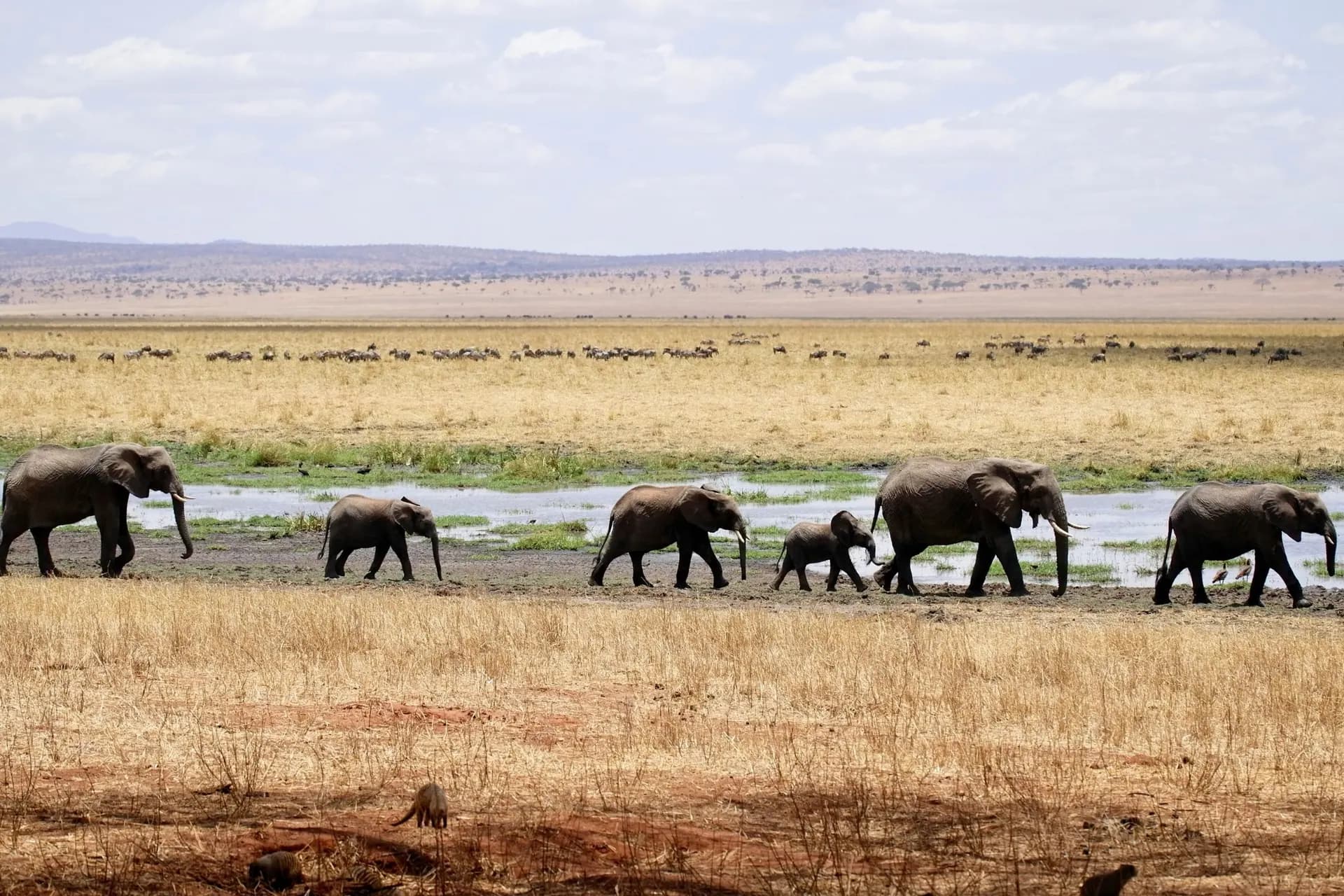
I cannot emphasise this enough. Binoculars on safari are not a luxury but a necessity. You're looking at something a hundred metres away. Your guide points. You see nothing. With binoculars you see the eyelashes of the lion.
Minimum: 8x42. Better: 10x42. Brands that perform well in this price range: Nikon Prostaff, Vortex Diamondback. Budget: €80–€200. Invest in them — you use them every day.
The sweet spot: Nikon Prostaff 10x42 or Vortex Diamondback 10x42, both around €100–170. This is the best money you spend before departure — more impact than any extra camera lens.
Health & medication
Malaria prophylaxis (consult your GP), travel insurance with medical evacuation, sunscreen (minimum factor 30), insect spray with DEET, hand gel, stomach medication (Imodium), plasters and wound spray.
A small first aid kit weighs nothing and can save your life in a remote area.
What you can leave at home
High heels. A formal evening dress. Thick novels (unless you read — e-reader is better). Expensive jewellery. A rain jacket (in the dry season it's useless).
And: your worries. Tanzania is safe, the guides know what they're doing, and the only planning you still need to do is enjoy yourself.
The quick checklist
- ◆Khaki/beige trousers (2–3)
- ◆T-shirts in earth tones (4–5)
- ◆Long sleeve shirt (2)
- ◆Fleece or gilet + rain poncho (compact)
- ◆Walking shoes + flip flops
- ◆Binoculars 10x42
- ◆Sunglasses + head covering
- ◆Malaria pills + mosquito spray + sunscreen
- ◆Passport + visa
- ◆Camera + extra batteries + powerbank
Everything fits in one 50-litre duffel bag. That is the plan.